Jinkushal Cardiac Care & Superspeciality hospital

How Doctors Detect Blocked Arteries Before a Heart Attack
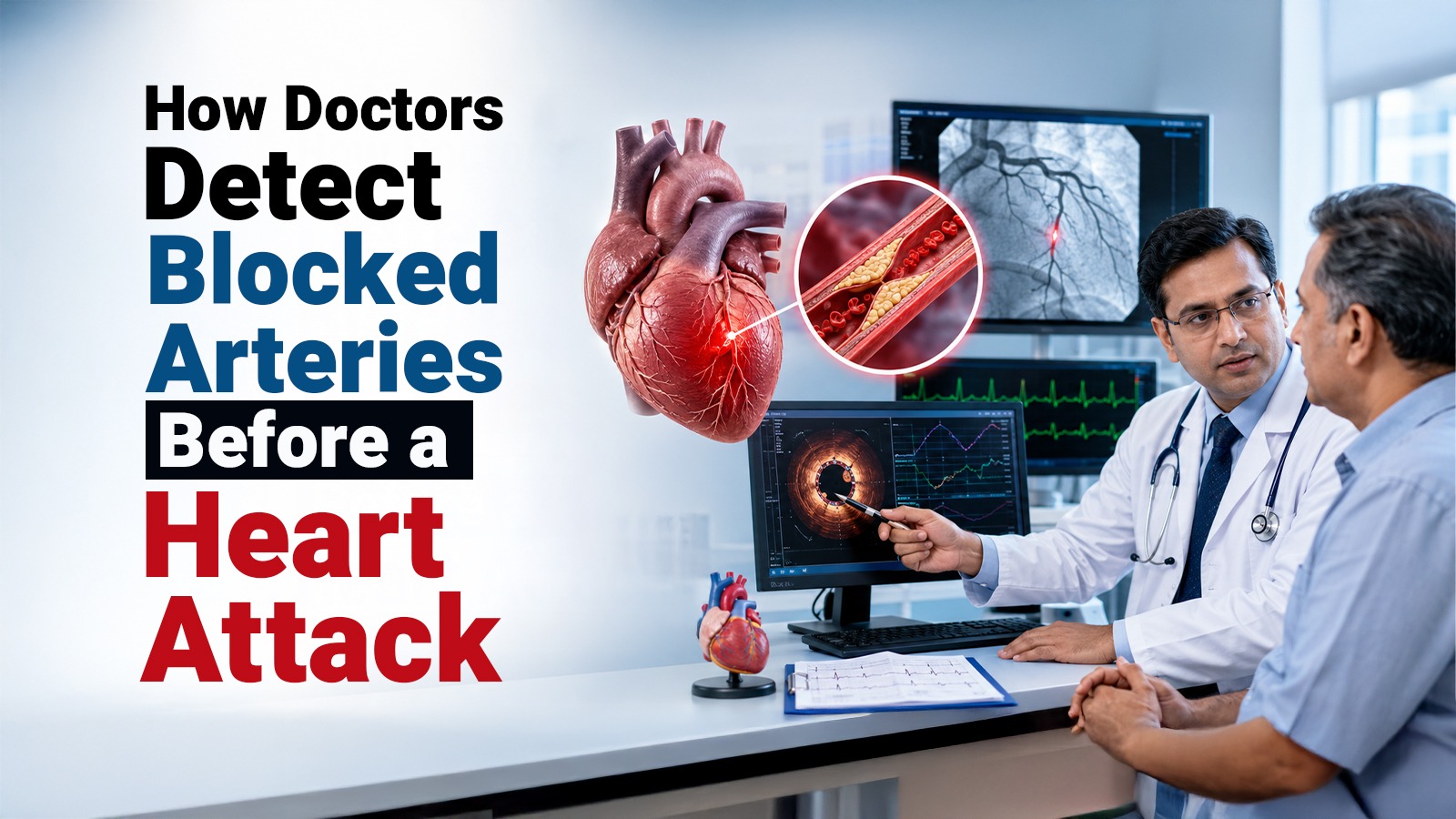
Heart disease is one of the leading causes of death worldwide, and many people do not realize they have a problem until a serious event occurs. Understanding How Doctors Detect Blocked Arteries Before a Heart Attack can help patients seek timely medical care and prevent life-threatening complications. Early detection allows doctors to identify warning signs, assess heart health, and recommend the right treatment before a heart attack happens.
At Jinkushal Hospital, Dr. Mayur Jain focuses on advanced cardiac diagnosis and preventive heart care to help patients maintain a healthy heart and reduce future risks.
What Are Blocked Arteries?
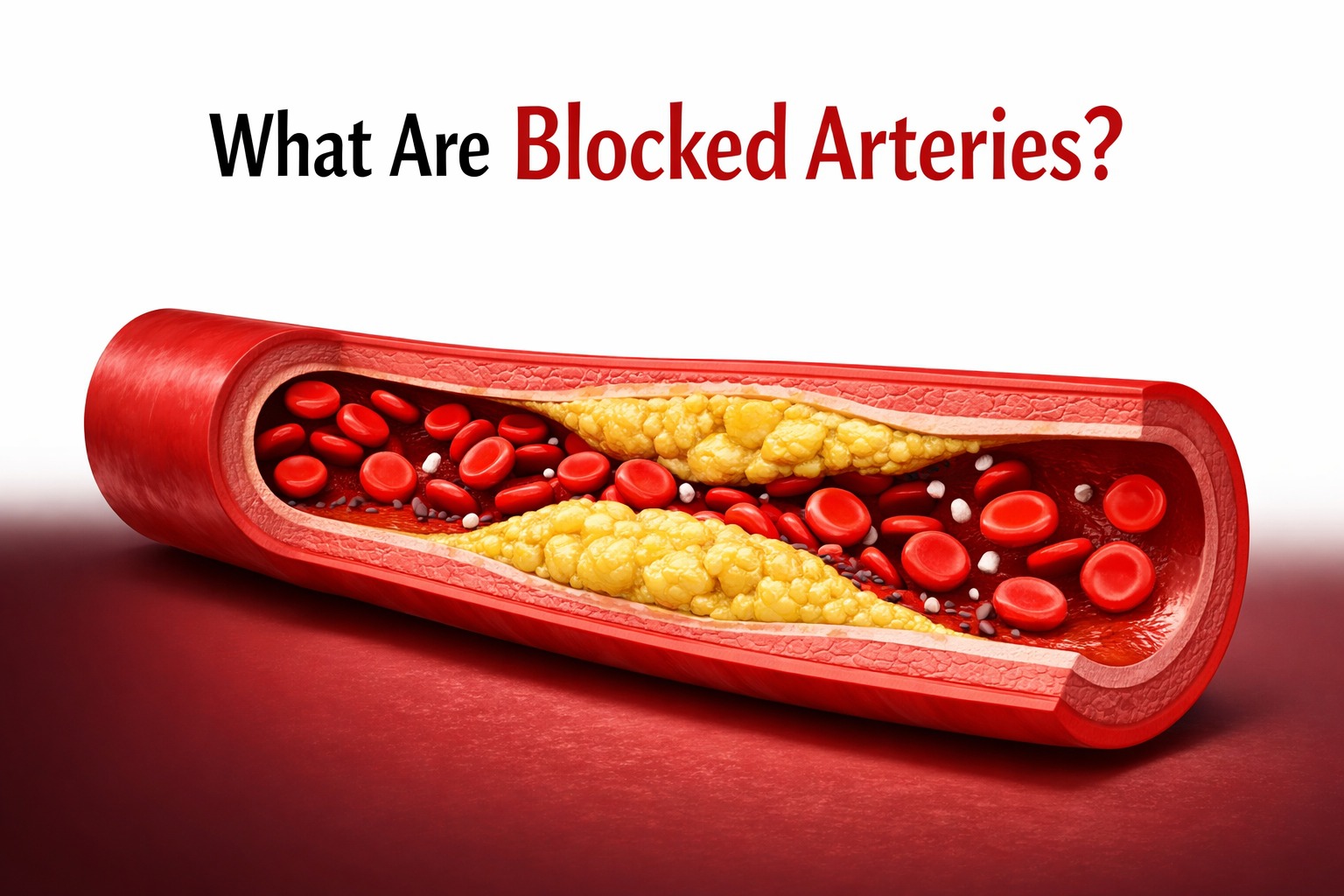
Arteries are blood vessels that carry oxygen-rich blood from the heart to different parts of the body. Over time, fatty deposits known as plaque can build up inside these arteries. This condition is called atherosclerosis.
As plaque increases, the arteries become narrower, restricting blood flow to the heart muscle. If a blockage becomes severe or a plaque ruptures, it can cause a heart attack.
Many people may not experience symptoms in the early stages, which is why regular heart checkups are important, especially for individuals with risk factors such as diabetes, high blood pressure, obesity, smoking, or a family history of heart disease.
Common Symptoms That May Indicate Blocked Arteries
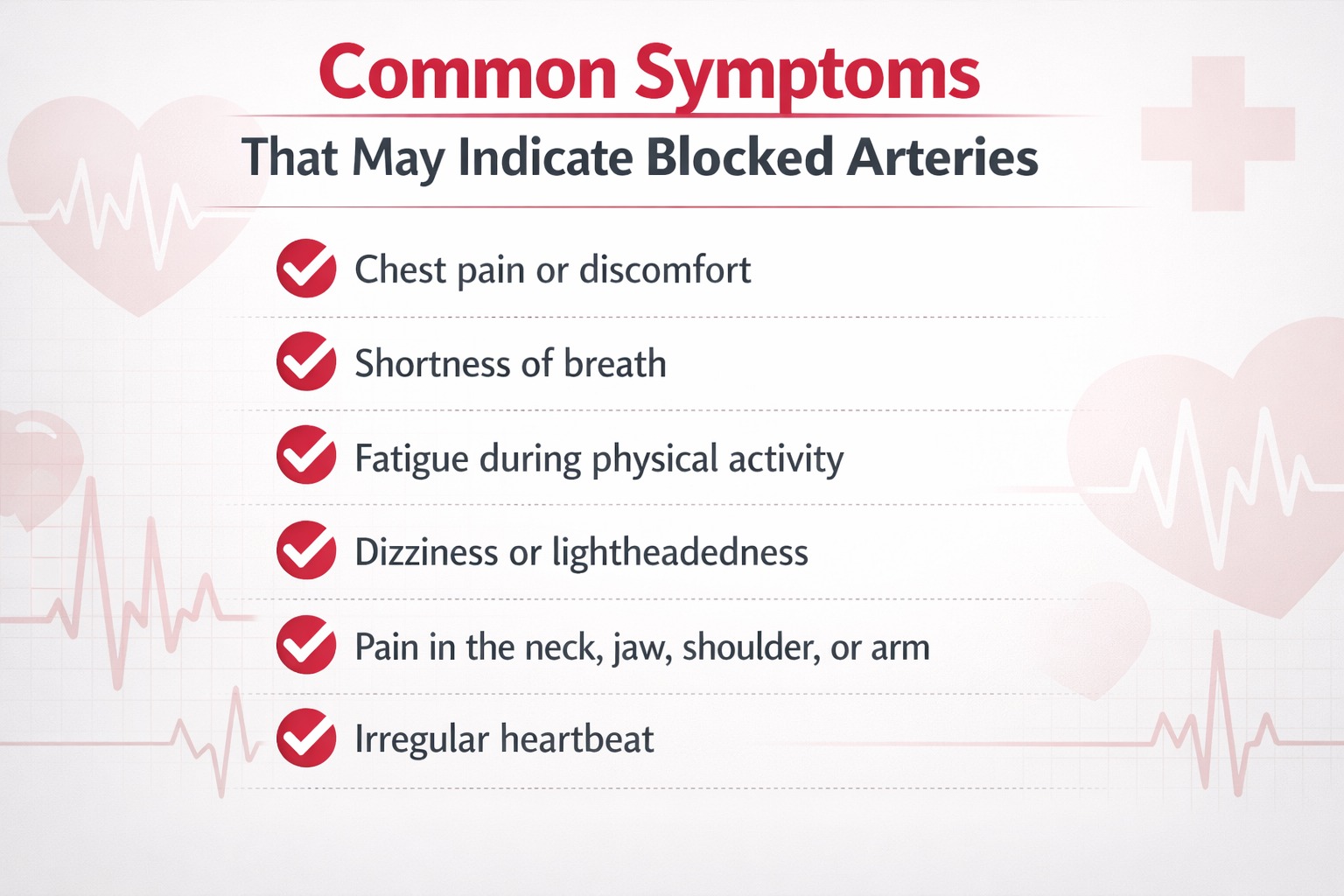
Doctors often begin the diagnosis process by evaluating symptoms. Some common warning signs include:
- Chest pain or discomfort
- Shortness of breath
- Fatigue during physical activity
- Dizziness or lightheadedness
- Pain in the neck, jaw, shoulder, or arm
- Irregular heartbeat
- Excessive sweating
However, some patients may have silent blockages without noticeable symptoms, making preventive screening even more important.
Medical History and Physical Examination
The first step in detecting blocked arteries is a detailed medical consultation. The doctor reviews:
- Personal medical history
- Family history of heart disease
- Lifestyle habits
- Existing health conditions
- Current medications
A physical examination helps identify signs such as abnormal heart sounds, high blood pressure, or poor circulation that may indicate cardiovascular problems.
Patients seeking treatment from a Cashless Hospital in Thane can benefit from comprehensive heart evaluations without unnecessary financial stress.
Electrocardiogram (ECG)
An Electrocardiogram (ECG) is one of the most commonly used tests for heart assessment. It records the electrical activity of the heart and helps doctors identify:
- Abnormal heart rhythms
- Previous heart damage
- Signs of reduced blood flow
Although an ECG alone may not always detect artery blockages, it provides valuable information about overall heart function.
Stress Test
A stress test evaluates how the heart performs during physical activity. Since the heart works harder during exercise, reduced blood flow caused by blocked arteries often becomes more noticeable.
During this test:
- The patient walks on a treadmill or cycles.
- Heart rate and blood pressure are monitored.
- ECG readings are recorded continuously.
Stress testing helps doctors identify hidden heart problems before they lead to severe complications.
Echocardiography
An echocardiogram uses ultrasound waves to create detailed images of the heart.
This test allows doctors to:
- Examine heart chambers
- Assess valve function
- Evaluate blood flow
- Identify areas receiving insufficient blood supply
An echocardiogram is a safe and non-invasive method that provides valuable insights into heart health.
Patients looking for a cashless facility hospital in Thane often choose advanced cardiac centers that offer diagnostic imaging and preventive screenings.
CT Coronary Angiography
CT Coronary Angiography is a modern imaging test that produces detailed pictures of coronary arteries.
This advanced scan helps doctors:
- Detect plaque buildup
- Measure narrowing of arteries
- Identify early signs of coronary artery disease
The test is particularly useful for patients who have moderate risk factors but no significant symptoms.
Coronary Angiography
Coronary angiography is considered one of the most accurate methods for detecting blocked arteries.
During the procedure:
- A thin catheter is inserted into a blood vessel.
- Contrast dye is injected.
- X-ray images are taken to visualize blood flow.
This test helps determine the location and severity of blockages and guides treatment decisions such as angioplasty or bypass surgery.
Many patients prefer a mediclaim service provider in Thane that offers complete support throughout diagnosis and treatment.
Blood Tests for Heart Risk Assessment
Blood tests cannot directly detect blocked arteries, but they help identify risk factors associated with heart disease.
Doctors may check:
- Cholesterol levels
- Triglycerides
- Blood sugar levels
- Inflammatory markers
Abnormal results can indicate an increased risk of plaque buildup and future cardiovascular events.
Calcium Score Test
A calcium score test uses CT scanning to measure calcium deposits within coronary arteries.
Higher calcium scores suggest a greater risk of artery blockage and heart disease.
This test is especially useful for individuals with a family history of heart problems who want an early assessment of their cardiovascular risk.
People seeking cashless facility provider in Thane services often benefit from preventive cardiac screening programs that include advanced risk assessments.
Why Early Detection Matters
Early detection of blocked arteries offers several benefits:
- Prevents heart attacks
- Reduces complications
- Improves treatment outcomes
- Helps manage risk factors effectively
- Enhances long-term quality of life
When artery disease is identified early, lifestyle changes and medical treatments can significantly slow disease progression.
Treatment Options After Detection
The treatment approach depends on the severity of the blockage.
Doctors may recommend:
Lifestyle Changes
- Healthy diet
- Regular exercise
- Weight management
- Smoking cessation
- Stress reduction
Medications
- Cholesterol-lowering drugs
- Blood pressure medications
- Blood thinners
Interventional Procedures
- Angioplasty
- Stent placement
- Coronary artery bypass surgery
Patients searching for a mediclaim insurance hospital in Thane often look for hospitals that provide both advanced diagnosis and treatment under one roof.
Heart Care Services at Jinkushal Hospital
Jinkushal Hospital provides comprehensive cardiac evaluation and treatment under the guidance of Dr. Mayur Jain. The hospital focuses on early diagnosis, preventive cardiology, and patient-centered care.
Individuals looking for cashless facilities available in Thane can access quality cardiac services with convenient insurance support options.
If you experience symptoms such as chest discomfort, breathlessness, or unusual fatigue, consulting a heart specialist at the earliest can help prevent serious complications.
For expert consultation, visit our Heart Specialist page:
Heart Doctor Thane
You can also find our location here:
Heart Surgeon Thane
Patients seeking mediclaim and health insurance hospital in Thane services can benefit from timely diagnosis and comprehensive cardiac care. Jinkushal Hospital is committed to delivering quality treatment and patient support. We also strive to provide the best service for mediclaim hospital in Thane to ensure a smooth healthcare experience.
Conclusion
Knowing how doctors detect blocked arteries before a heart attack can save lives. Through advanced diagnostic tests such as ECG, stress testing, echocardiography, CT angiography, and coronary angiography, doctors can identify problems before they become emergencies.
Regular heart checkups, healthy lifestyle choices, and early medical intervention play a vital role in protecting your heart. If you have risk factors or symptoms of heart disease, consult Dr. Mayur Jain at Jinkushal Hospital for expert cardiac evaluation and personalized care.