Jinkushal Cardiac Care & Superspeciality hospital


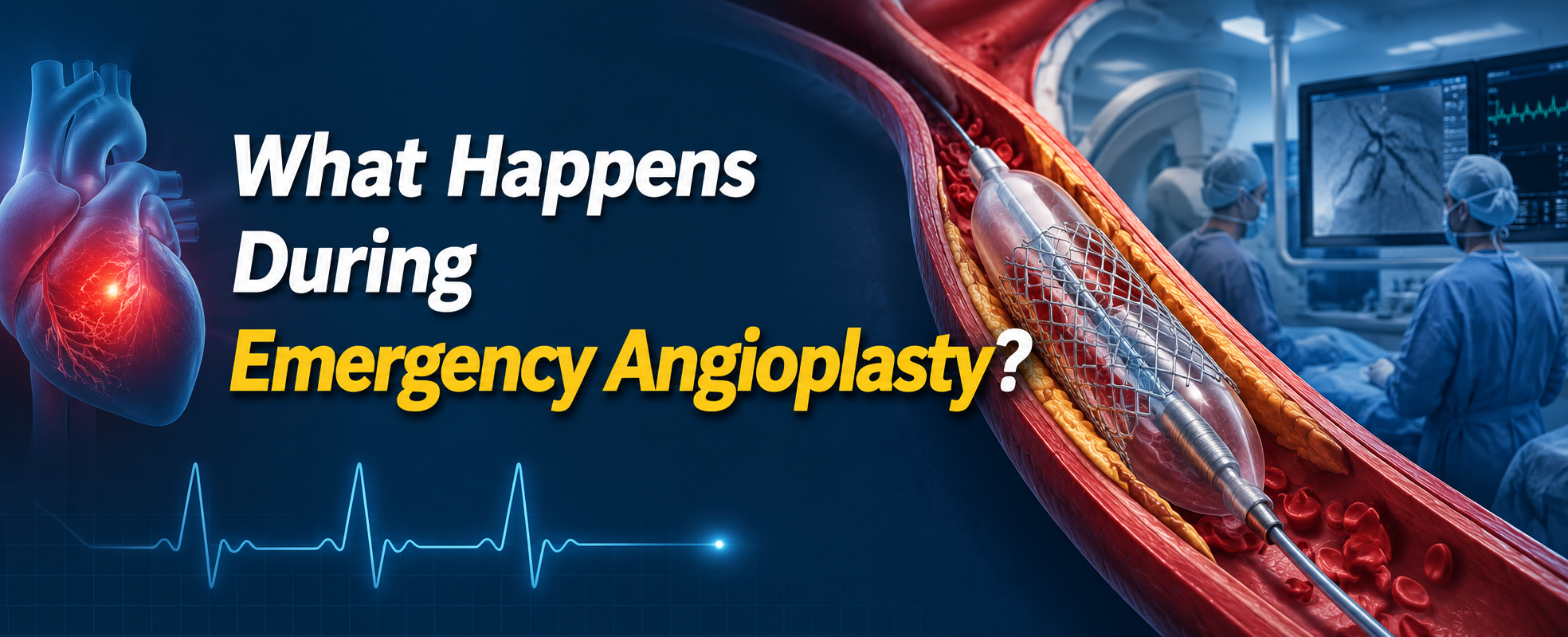
What Happens During Emergency Angioplasty?
A heart attack is a medical emergency that requires immediate treatment. One of the most effective procedures to restore blood flow to the heart is emergency angioplasty. If you are wondering What Happens During Emergency Angioplasty?, understanding the procedure can help reduce fear and encourage faster medical attention when every minute counts.
At Jinkushal Hospital, under the expert care of Dr. Mayur Jain, patients receive advanced cardiac care using modern diagnostic and treatment techniques. Early diagnosis through an ECG test in Thane can help doctors quickly identify a heart attack and determine whether emergency angioplasty is needed.
What Is Emergency Angioplasty?
Emergency angioplasty, also called Primary Percutaneous Coronary Intervention (Primary PCI), is a minimally invasive procedure performed to open blocked coronary arteries during a heart attack. The main goal is to restore blood flow to the heart muscle as quickly as possible, reducing permanent heart damage and improving survival.
The procedure is considered the gold standard treatment for most patients experiencing an acute heart attack.
When Is Emergency Angioplasty Needed?
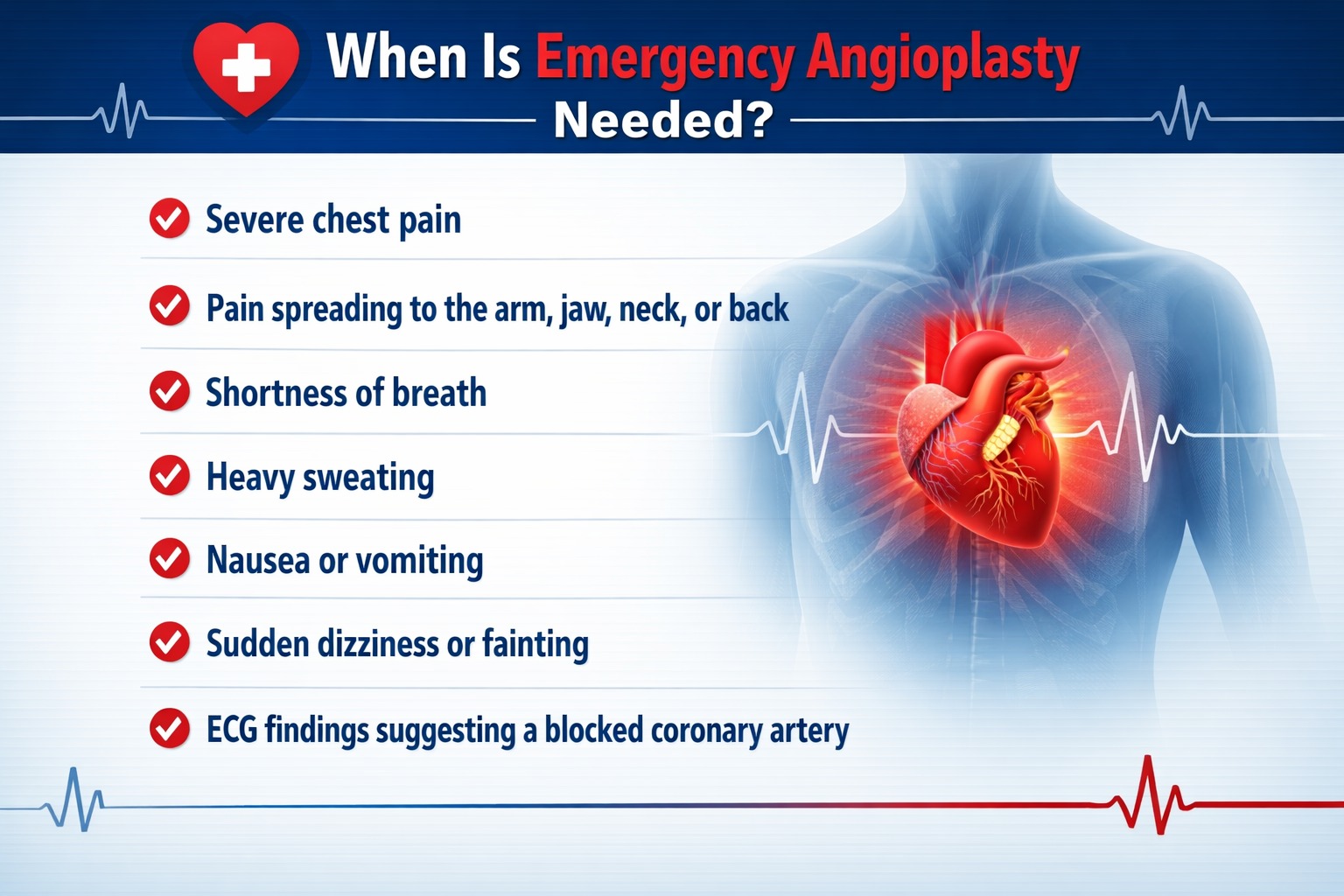
Doctors may recommend emergency angioplasty if a patient has:
- Severe chest pain lasting more than 20 minutes
- Pain spreading to the arm, jaw, neck, or back
- Shortness of breath
- Heavy sweating
- Nausea or vomiting
- Sudden dizziness or fainting
- ECG findings suggesting a blocked coronary artery
Before the procedure, doctors often perform an ecg heart test in Thane to confirm the diagnosis and determine the severity of the heart attack.
Step-by-Step: What Happens During Emergency Angioplasty?
1. Emergency Assessment
When a patient arrives at the emergency department, the medical team quickly evaluates symptoms, blood pressure, oxygen levels, and heart rhythm.
An ECG and blood tests help confirm whether a heart attack is occurring.
2. Preparation for the Procedure
The patient is shifted to the cardiac catheterization laboratory (Cath Lab).
Doctors:
- Insert an IV line
- Administer medications to prevent blood clotting
- Give pain relief if required
- Clean and numb the access site (usually the wrist or groin)
The patient remains awake during most of the procedure.
3. Catheter Insertion
A thin flexible tube called a catheter is inserted through an artery in the wrist or groin and carefully guided toward the blocked coronary artery using X-ray imaging.
The patient usually feels minimal discomfort.
4. Coronary Angiography
A special contrast dye is injected through the catheter.
This allows the cardiologist to identify:
- Location of the blockage
- Severity of blockage
- Number of blocked arteries
5. Balloon Angioplasty
Once the blockage is located, a tiny balloon attached to the catheter is inflated.
The balloon compresses the plaque against the artery walls, restoring blood flow.
6. Stent Placement
In most cases, a metal mesh tube called a stent is placed inside the artery.
The stent:
- Keeps the artery open
- Prevents future blockage
- Improves long-term blood flow
Modern drug-eluting stents also reduce the risk of artery narrowing.
7. Completion of the Procedure
After confirming normal blood flow, the catheter is removed.
Doctors apply pressure or a closure device at the insertion site to prevent bleeding.
The patient is then transferred to the cardiac intensive care unit for monitoring.
1. Emergency Assessment
When a patient arrives at the emergency department, the medical team quickly evaluates symptoms, blood pressure, oxygen levels, and heart rhythm.
An ECG and blood tests help confirm whether a heart attack is occurring.
2. Preparation for the Procedure
The patient is shifted to the cardiac catheterization laboratory (Cath Lab).
Doctors:
- Insert an IV line
- Administer medications to prevent blood clotting
- Give pain relief if required
- Clean and numb the access site (usually the wrist or groin)
The patient remains awake during most of the procedure.
3. Catheter Insertion
A thin flexible tube called a catheter is inserted through an artery in the wrist or groin and carefully guided toward the blocked coronary artery using X-ray imaging.
The patient usually feels minimal discomfort.
4. Coronary Angiography
A special contrast dye is injected through the catheter.
This allows the cardiologist to identify:
- Location of the blockage
- Severity of blockage
- Number of blocked arteries
5. Balloon Angioplasty
Once the blockage is located, a tiny balloon attached to the catheter is inflated.
The balloon compresses the plaque against the artery walls, restoring blood flow.
6. Stent Placement
In most cases, a metal mesh tube called a stent is placed inside the artery.
The stent:
- Keeps the artery open
- Prevents future blockage
- Improves long-term blood flow
Modern drug-eluting stents also reduce the risk of artery narrowing.
7. Completion of the Procedure
After confirming normal blood flow, the catheter is removed.
Doctors apply pressure or a closure device at the insertion site to prevent bleeding.
The patient is then transferred to the cardiac intensive care unit for monitoring.
How Long Does Emergency Angioplasty Take?
Most emergency angioplasty procedures take between 30 and 90 minutes, depending on:
- Complexity of the blockage
- Number of blocked arteries
- Patient’s overall condition
The sooner treatment begins, the better the outcome.
Why Every Minute Matters
During a heart attack, the heart muscle begins to die due to lack of oxygen.
Doctors often say:
“Time is Muscle.”
The faster the blocked artery is opened, the more heart muscle can be saved.
Delaying treatment increases the risk of:
- Heart failure
- Irregular heartbeat
- Permanent heart damage
- Death
Recovery After Emergency Angioplasty
Most patients remain in the hospital for 2–5 days depending on their recovery.
Doctors monitor:
- Blood pressure
- Heart rhythm
- Oxygen levels
- Recovery of heart function
Patients are encouraged to begin walking within a day if there are no complications.
Lifestyle Changes After Angioplasty
Recovery does not end after leaving the hospital.
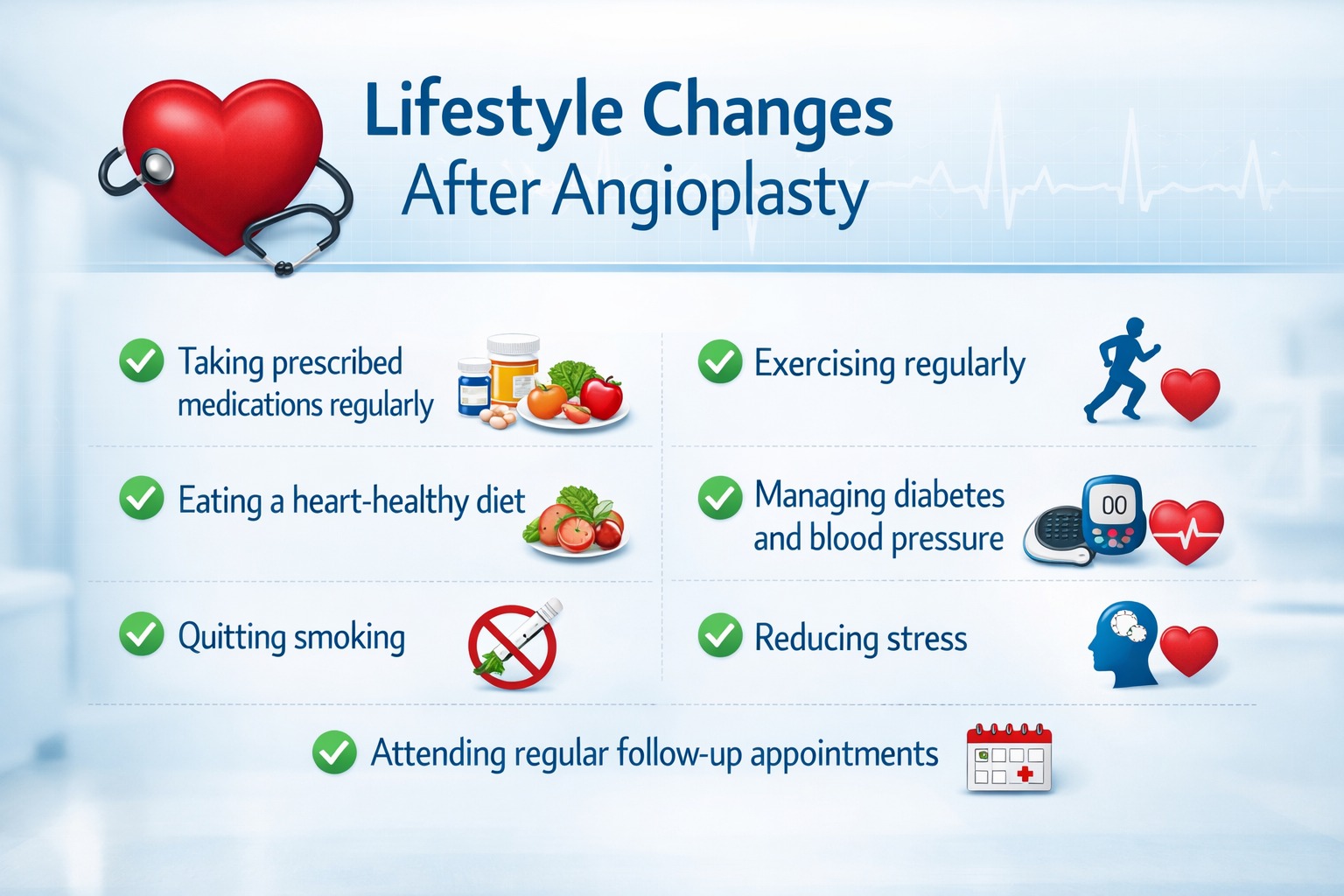
Doctors recommend:
- Taking prescribed medications regularly
- Eating a heart-healthy diet
- Quitting smoking
- Exercising regularly
- Managing diabetes and blood pressure
- Reducing stress
- Attending regular follow-up appointments
These changes significantly reduce the risk of another heart attack.
Is Emergency Angioplasty Safe?
Emergency angioplasty is considered a safe and highly successful procedure when performed by experienced cardiologists.
Like all medical procedures, there are some risks, including:
- Bleeding
- Infection
- Blood clot formation
- Kidney problems from contrast dye
- Rare allergic reactions
However, the benefits of restoring blood flow during a heart attack far outweigh these risks.
How Is ECG Important Before Angioplasty?
The ECG is usually the first investigation performed in a suspected heart attack.
It helps doctors:
- Detect abnormal heart rhythms
- Identify blocked coronary arteries
- Decide whether emergency angioplasty is needed immediately
Many patients ask about the ecg test price in Thane but timely diagnosis is far more important than delaying care because of cost concerns.
Some patients also compare the ecg test cost in Thane before visiting a hospital. Since ECG is quick, affordable, and lifesaving, it should never be postponed if heart attack symptoms are present.
People undergoing routine health check-ups may also request a normal ecg test in Thane to assess their heart rhythm and detect early abnormalities.
If you’re comparing diagnostic costs, you may also come across information about the heart ecg test price in Thane While pricing can vary, choosing an experienced cardiac center ensures accurate diagnosis and prompt treatment when needed.
Why Choose Jinkushal Hospital?
At Jinkushal Hospital, patients benefit from comprehensive cardiac emergency services led by Dr. Mayur Jain, offering:
- Rapid emergency cardiac evaluation
- Advanced Cath Lab facilities
- Expert emergency angioplasty
- Personalized cardiac treatment
- Modern diagnostic technology
- Patient-focused care
- Comprehensive heart disease management
If you are looking for an experienced Heart Specialist in Thane earn more here:
For location and directions to consult one of the Best Cardiac Surgeon in Thane visit:
Conclusion
Understanding What Happens During Emergency Angioplasty? can help patients and families act quickly during a heart attack. Emergency angioplasty is a life-saving procedure that restores blood flow, minimizes heart damage, and improves recovery when performed without delay. If you or a loved one experiences symptoms of a heart attack, seek immediate medical attention. At Jinkushal Hospital, Dr. Mayur Jain and the experienced cardiac team are committed to providing timely diagnosis, advanced treatment, and compassionate care for every patient.