Jinkushal Cardiac Care & Superspeciality hospital



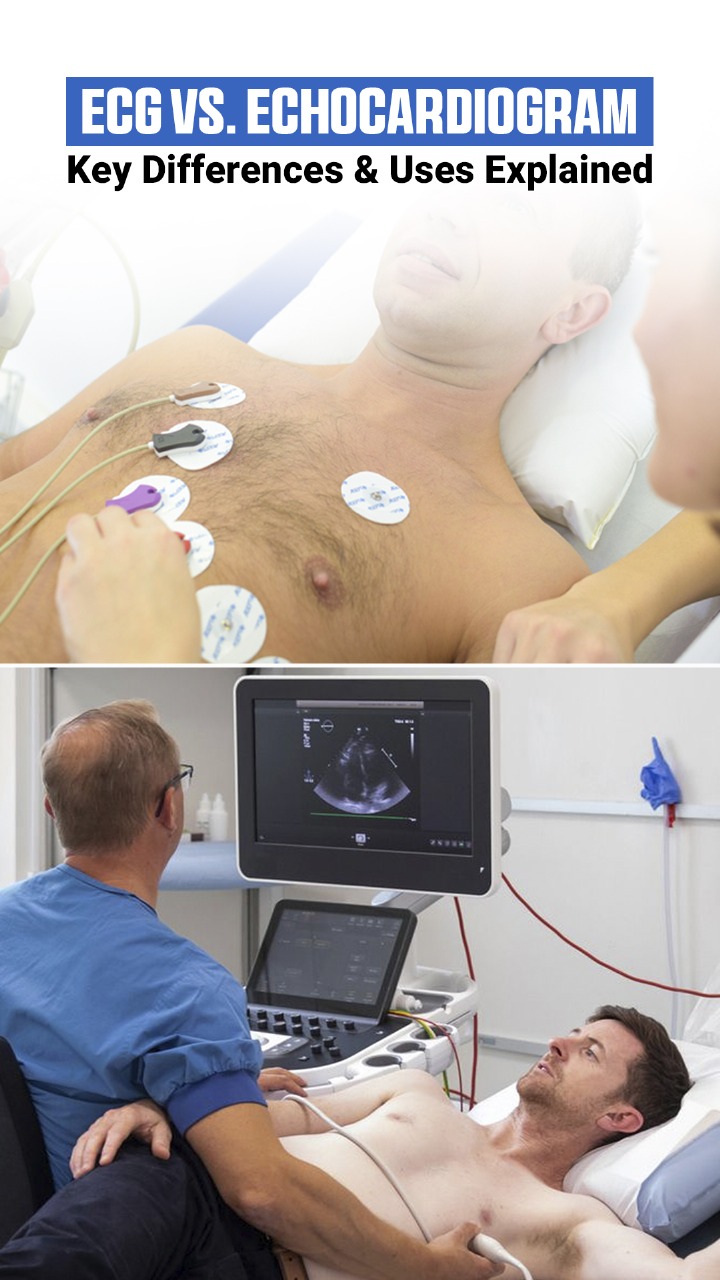
ECG vs. Echocardiogram: Key Differences and Uses Explained
When it comes to heart health, understanding the ECG vs. Echocardiogram: Key Differences and Uses Explained is crucial for making informed decisions about your care. While this might sound surprising in a cardiac context, many people confuse medical terminology, and it’s essential to clarify that cataract and glaucoma affect the eyes, not the heart. However, when discussing the heart, two of the most commonly ordered tests at Jinkushal Hospital, led by Dr. Mayur Jain, are the ECG and echocardiogram. Knowing the differences between these diagnostic procedures can help you make better health choices and ensure you receive the best possible care from a trusted cardiologist hospital near me
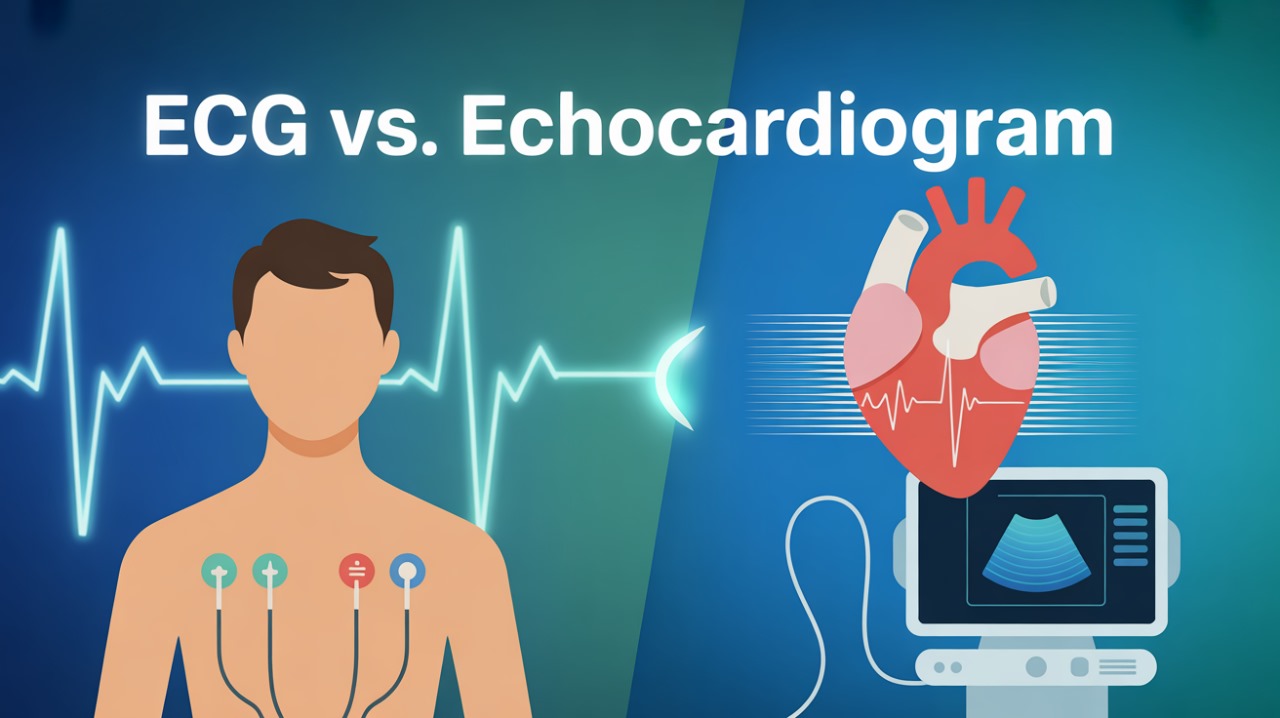
What is an ECG?
An Electrocardiogram (ECG) is a simple, non-invasive test that records the electrical activity of your heart through small sensor pads attached to the skin. ECGs are performed in leading cardiac centers such as the best heart Hospital in Thane and are commonly used to detect arrhythmias, heart attacks, and other cardiac conditions quickly and efficiently. The test is painless and usually takes just a few minutes.
Types of ECG
There are three main types of ECG:
- Resting ECG: Conducted while you are lying down and relaxed.
- Stress or Exercise ECG: Done while you are exercising on a treadmill or bike to monitor the heart under physical stress.
- Ambulatory ECG (Holter Monitoring): You wear a portable device for 24-48 hours to record heart activity during your daily routine.
Each type of ECG offers unique insights, and your cardiologist will recommend the most suitable one depending on your symptoms and medical history.
What is an Echocardiogram?
An echocardiogram (often called an “echo”) uses sound waves (ultrasound) to produce live images of your heart. The test helps doctors at the Heart Specialist Hospital in Thane check how your heart and its valves are functioning. It is a vital tool for diagnosing and monitoring heart disease. Unlike ECGs, echocardiograms provide real-time visual details of the heart’s structures and pumping action.
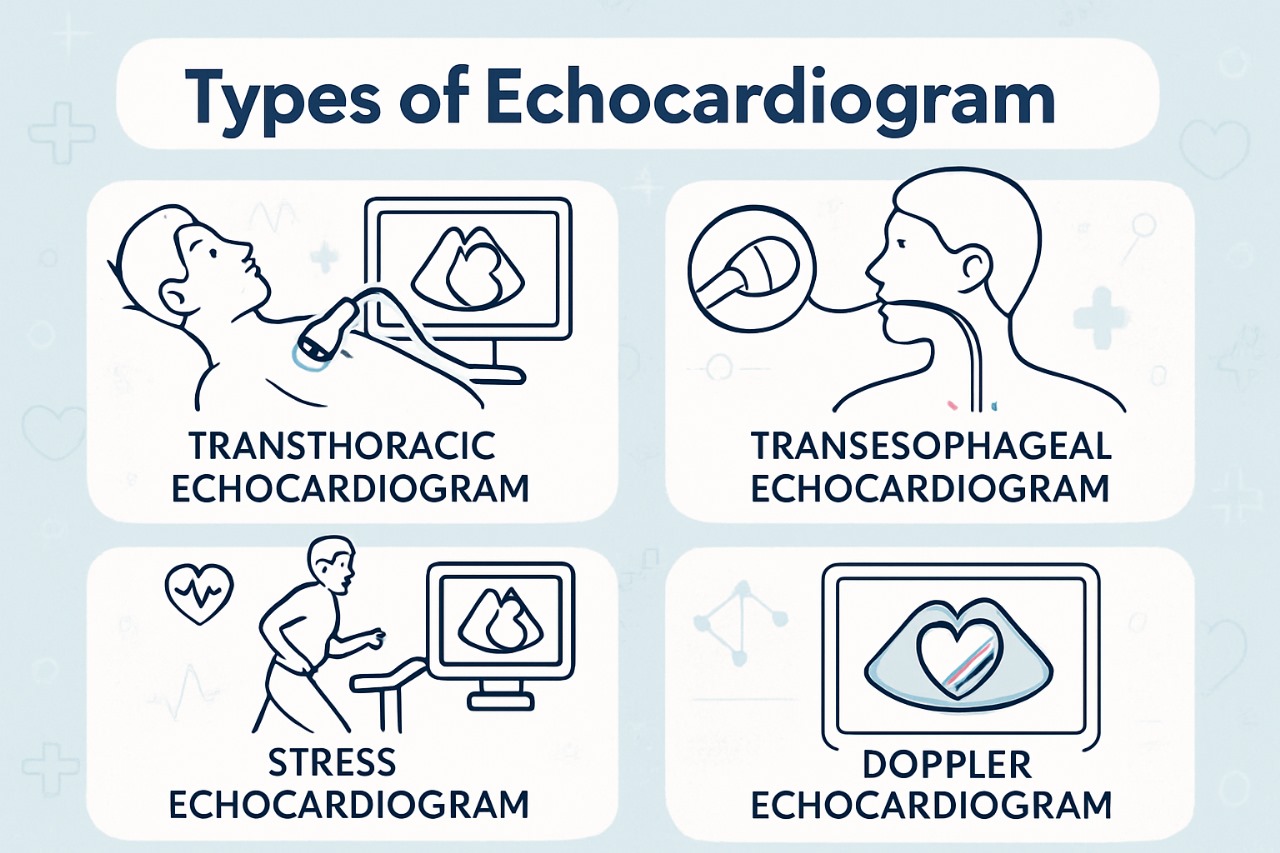
Types of Echocardiogram
There are several types of echocardiograms, including:
- Transthoracic Echocardiogram (TTE): The most common form, performed by placing a transducer on your chest.
- Transesophageal Echocardiogram (TEE): The transducer is inserted into your esophagus for closer, clearer images.
- Stress Echocardiogram: Combines an echo with a stress test to see how the heart works under exertion.
- Doppler Echocardiogram: Assesses how blood flows through your heart and vessels.
Advanced cardiac diagnostic centers like Jinkushal Hospital use these techniques to deliver the best possible cardiac care.
Benefits of an ECG
Some key benefits of an ECG performed at a Cardiac Hospital in Thane include:
- Quick, easy, and painless testing
- Early detection of arrhythmias or heart attacks
- Useful in monitoring implanted devices like pacemakers
- Helps guide further, more detailed investigations if needed
Benefits of an Echocardiogram
The best Cardiologist hospital in Thane offers advanced echocardiography with benefits such as:
- Clear visualization of heart chambers, valves, and blood flow
- Detection of structural abnormalities, heart failure, and valve diseases
- Guidance for complex cardiac procedures
- No radiation exposure, making it safe even for repeated use
What are the Differences Between an ECG and an Echocardiogram?
While both tests are routine in the best Cardiology Hospital in Thane their purposes and outputs are very different:
Test | What It Measures | Why It’s Used |
ECG | Electrical impulses of the heart | Detect rhythm problems, previous heart attacks |
Echocardiogram | Heart structures & motion | Diagnose valve, wall, and pumping issues |
An ECG records the heart’s electrical activity, revealing irregular rhythms or potential heart attacks. However, it cannot provide information about the heart’s structure. An echocardiogram, on the other hand, shows the heart’s anatomy and function in real-time, offering detailed insights into the chambers, valves, and blood flow.
What Can an Echocardiogram Show That an ECG Cannot?
The echocardiogram provides a visual assessment, which an ECG cannot do. This image-based test can identify leaky or narrowed heart valves, weakened heart muscles, congenital abnormalities, fluid around the heart, and much more. The Top heart hospital in Thane relies on echocardiograms for diagnosing and planning treatments for complex heart diseases. For advanced procedures like Coronary Angiography in Thane an echocardiogram is vital for pre-procedure planning and risk assessment.
If you’re searching for comprehensive cardiac diagnostics or need the top Cardiac Hospital in Thane Jinkushal Hospital, led by Dr. Mayur Jain, is your local resource for advanced care. Visit our service page for Coronary Angiography in Thane and check out the Best CT Angiography in Thane for more information
Book an Appointment with an Expert Cardiologist
Your heart deserves the best care. Whether you need a routine check-up, a specialist opinion, or advanced diagnostics at the Best Cardiac Hospital in Thane trust Jinkushal Hospital and Dr. Mayur Jain. Schedule your appointment today with the Cardiologist hospital in thane and take charge of your heart health.
In summary: Understanding the essential roles and differences between ECGs and echocardiograms empowers patients to make the best decisions about their cardiac care. Jinkushal Hospital in Thane, under the expert guidance of Dr. Mayur Jain, delivers world-class diagnostics and treatment to secure your heart health for the future.